


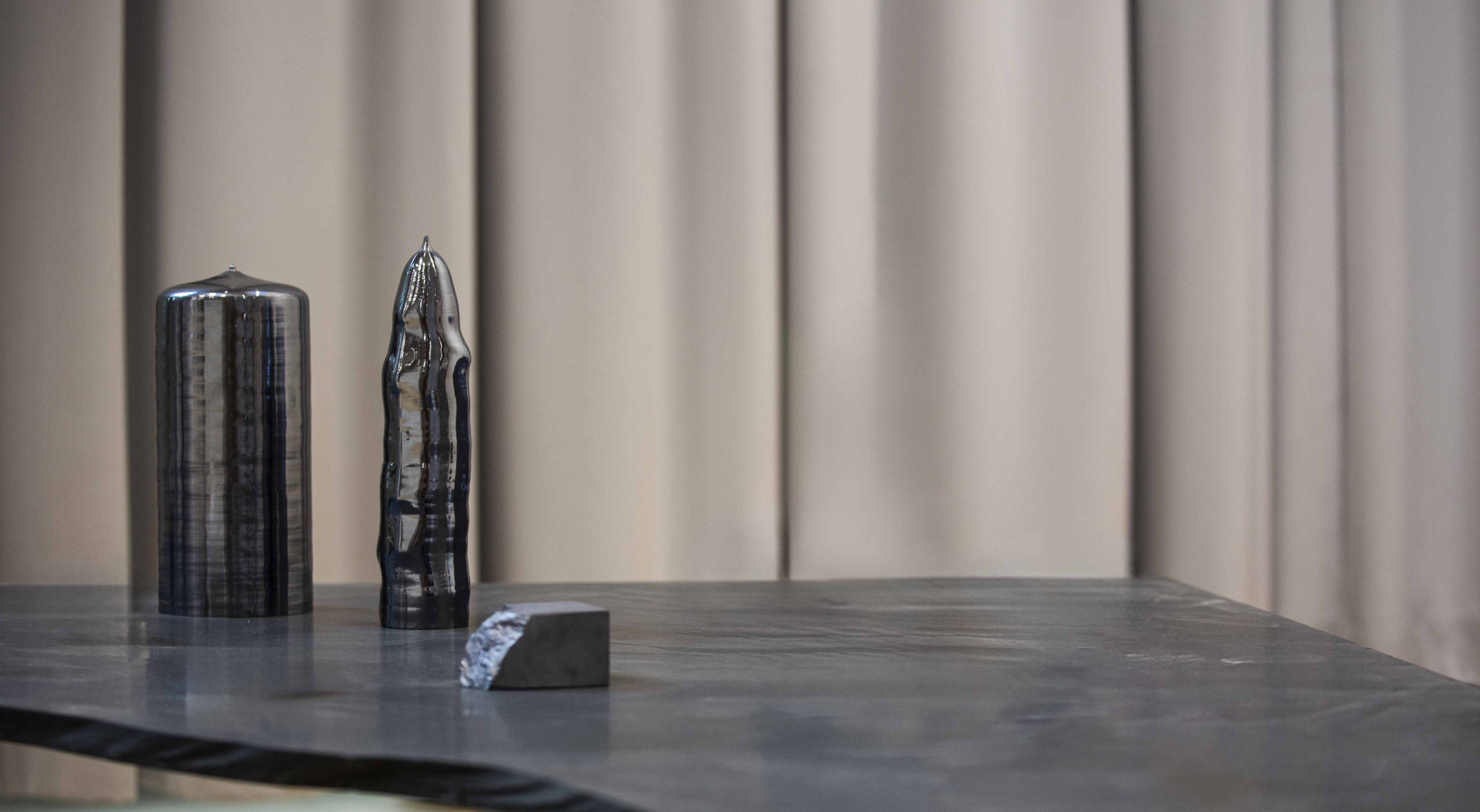
Introduction
My practice traces lines between geological phenomena, colonial history and notions of matter and indeterminacy in the age of AI. With a background in jewellery and the craft of stone cutting, I am interested in understanding how materials and landscapes are cut, fractured and broken up, and how the fragmentation and reconstruction of the landscape is intimately connected with human skills, techniques, craft and technologies.
Central to my research is the question of how artificial intelligence, metaverse worlds and digital structures frame the way humans think while drastically reshaping the way landscapes are handled. My focus involves exploring the way digital technology lives through extractivism and is dependent on mineral and geological sources.
In this article, I draw parallels between geological formations and the metabolic development of AI as a material process, proposing that the practices of attention and detail central to jewellery and craft offer fundamental methodologies for addressing the complexities of AI and its extractive demands. A key element is the idea of jewellery as a conductive device, capable of acknowledging complex material narratives while catalysing new forms of relationality with the technological and mineral world today.
Material Dimensions of AI – Silicon Cores
With the development of my practice, my intention is to gain a sense of Australian scholar Kate Crawford’s and Finnish new media theorist Jussi Parikka suggestion: that we should think of media not as extensions of the human senses (as media theorist Marshall McLuhan argues) but rather as extensions of the Earth (Crawford 2021, pp. 8–15, Parikka 2015, pp.5). Digital technologies straddle the human and the natural and although digital networks may seem immaterial, they are in fact physical extracts of the Earth. As a craftsperson, I use methodologies of care, slowness, empathy, attention and detail as a means to explore more-than-human affinities in technology. I focus on how the approach taken by a craft discipline (which aims to understand how things work from the inside and how things relate to each other), can become a caring attitude to exploring how technologies are rooted in physical and geological landscapes.
Since there is nothing ethereal about the backbones of global computational infrastructure, it is important to recognise that ‘the cloud’ may be one of the most misleading metaphors of our century. Rather than something light or immaterial, contemporary digital infrastructures are grounded in the earth. ‘The mountain’, ‘the strata’ or ‘the substratum’ would be more accurate metaphors for cloud-based societies. Though often framed as environmentally friendly and immaterial, these systems have in fact pushed the frontiers of extraction, intensifying the ecological pressures placed on landscapes and ecosystems. Crawford argues that AI is better understood as a planetary phenomenon, one that reorganises land, labour and resources at a global scale (Crawford 2021, p. 18-21). Drawing on a metaphorical reasoning to develop her argument that AI is an embodied reality, Crawford notes that while the blood of technology is electricity, the core and bones of modern digital systems are built from the extraction of copper, aluminium, gold, silver, cobalt and rare earth elements, as well as germanium, lithium and silicon—to name just a few (Crawford 2021, p. 31).
Kate Crawford’s work offers important insight into the environmental consequences of large-scale computational systems, combining autoethnographic and empirical research with visual mappings of global infrastructures. A key example is Anatomy of an AI System (2018), a detailed diagram that demonstrates how visualisation can operate as a mode of revealing, making tangible the extractive material anatomy of systems usually experienced as immaterial (Crawford and Joler 2018). However, the poetic and embodied dimensions of the materials underpinning this paradigm remain largely underexplored (Boyd and Domingues 2026, p. 1). I argue that critical, creative and material-led practices can play a key role in making these hidden materialities perceptible. Puig de la Bellacasa’s re-conception of ‘care’ as a living technology (Puig de la Bellacasa 2017, pp. 5–7) resonates deeply with my own work, leading me to wonder how we might cultivate truly symbiotic human-geo-techno relationships. Or, as artist and writer James Bridle suggests, an ecology of technology that attends to the interrelationships between technology and the world, its meaning and materiality (Bridle 2022, p. 14). There is an urgent need to reimagine ‘skill’ not simply as an exercise of mastery over materials and techniques, but as a form of relating with other forces and species, and broader geo-technological frameworks.
While my work is rooted in classical industrial processes and the manual labour of stonework, my gestures are not confined by them. As a material-led practitioner, I operate through a poetic philosophy of techniques; the very movements of splitting, fracturing, cutting and opening, through which I engage with stone or a piece of silicon, are embedded with meaning, echoing broader geological and industrial histories and events. I navigate this terrain to reflect on the systems that have reduced matter to a mere commodity. At the same time, handling and spending time with materials gives me a chance to learn and observe their inherent agencies, stories and offers paths to think with.
In the studio, my curiosity drives me to understand these materials through tactile engagement. I specifically concentrate on drilling, cutting, faceting, fragmenting and then reconstructing (Videos 1–3) pieces of monocrystalline silicon, which is a lab-grown, silica-derived material whose semiconducting behaviour places it between conductor and insulator, used worldwide in modern digital structures. It sits at the core of every computer, smartphone, and digital interface, forming the microchips that process binary code.
Refined from silica (SiO₂) found in quartz and sand deposits worldwide, silicon belongs to the most abundant material system on Earth: silicate minerals constitute over 90% of the Earth’s crust (Klein and Dutrow, Rudnick and Gao 2012, p. 463), and silicon itself is the second most abundant element after oxygen, at approximately 28% by mass (Klein and Dutrow 2012, p. 118). I am struck by the fact that although silicon was first recognised within quartz in 1787, isolated in 1824, grown as single crystals from the early 1950s and made into the first silicon microchip in 1959, the timeline folds back on itself. In the studio, I slowly discover I can work this material by returning to millennia-old gemstone carving techniques (Figures 1–6). Technically, silicon is classified as a metalloid: neither a metal nor a non-metal, it holds properties of both realms, a state in between. It is a material defined by threshold. It looks like stone, cuts like stone, and yet, according to classical taxonomical systems, is not a mineral.
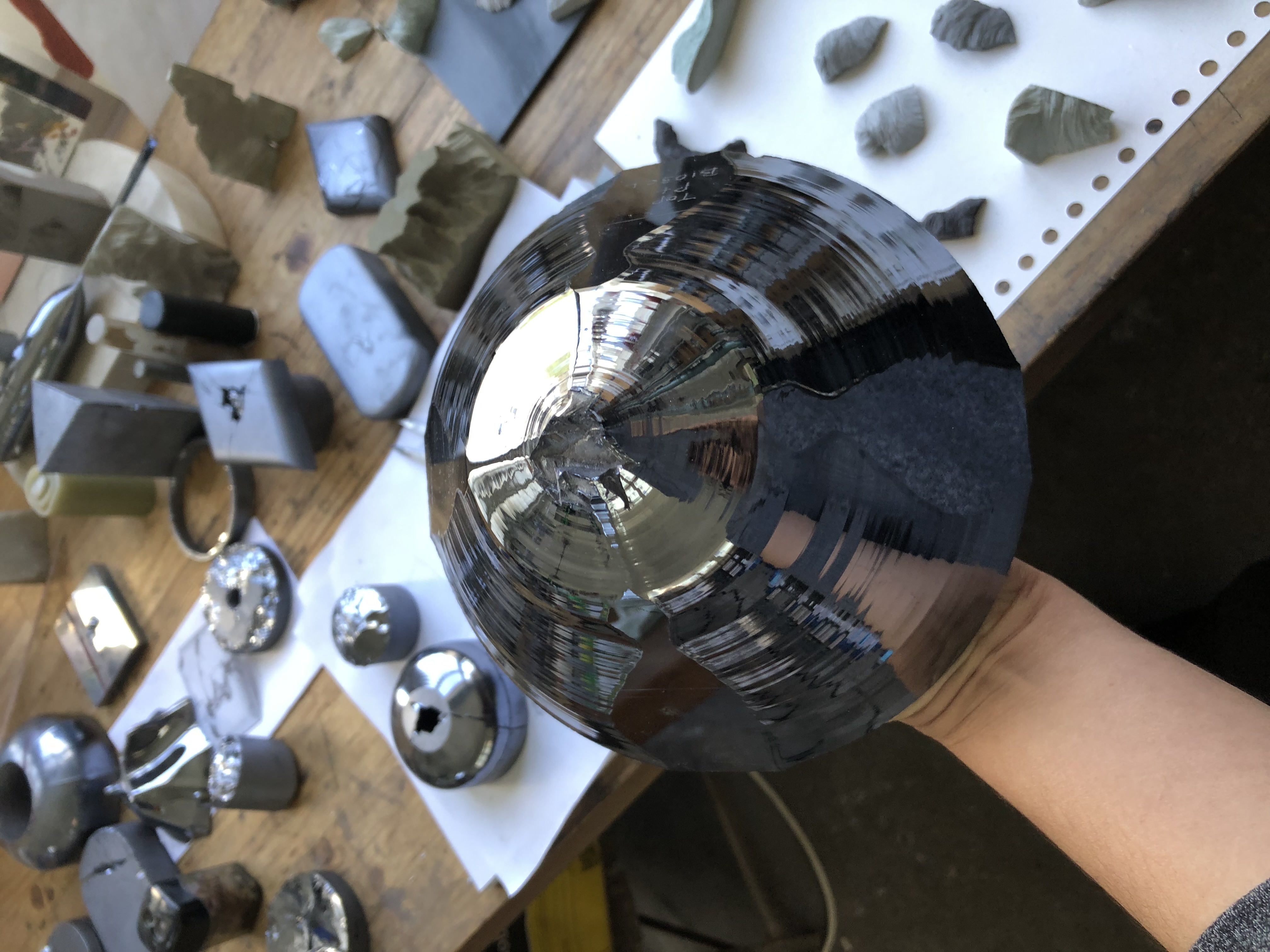
Figure 1: Experiments in the studio with monocrystalline silicon (Domingues 2023-2024)
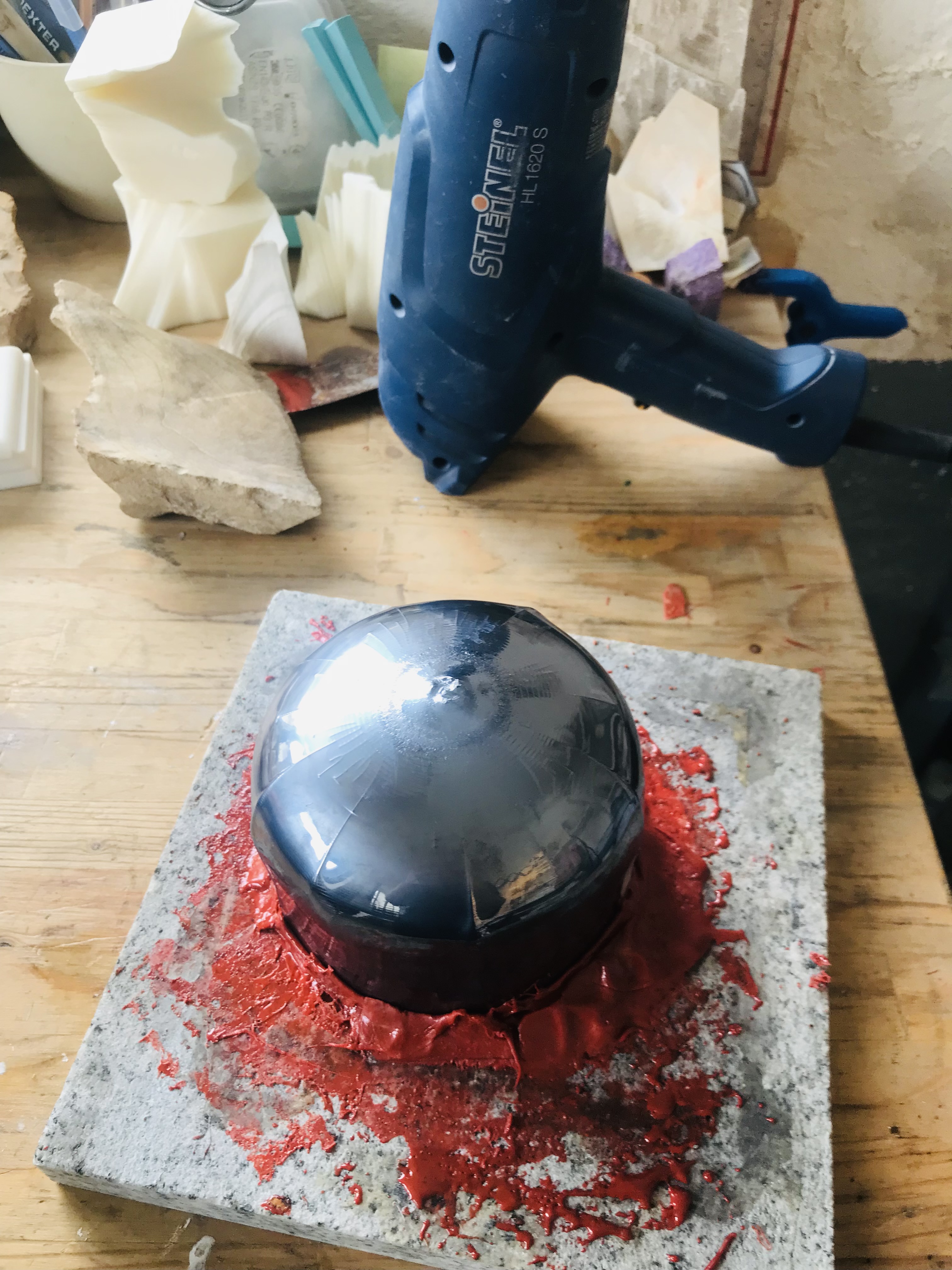
Figure 2: Experiments in the studio with monocrystalline silicon (Domingues 2023-2024).
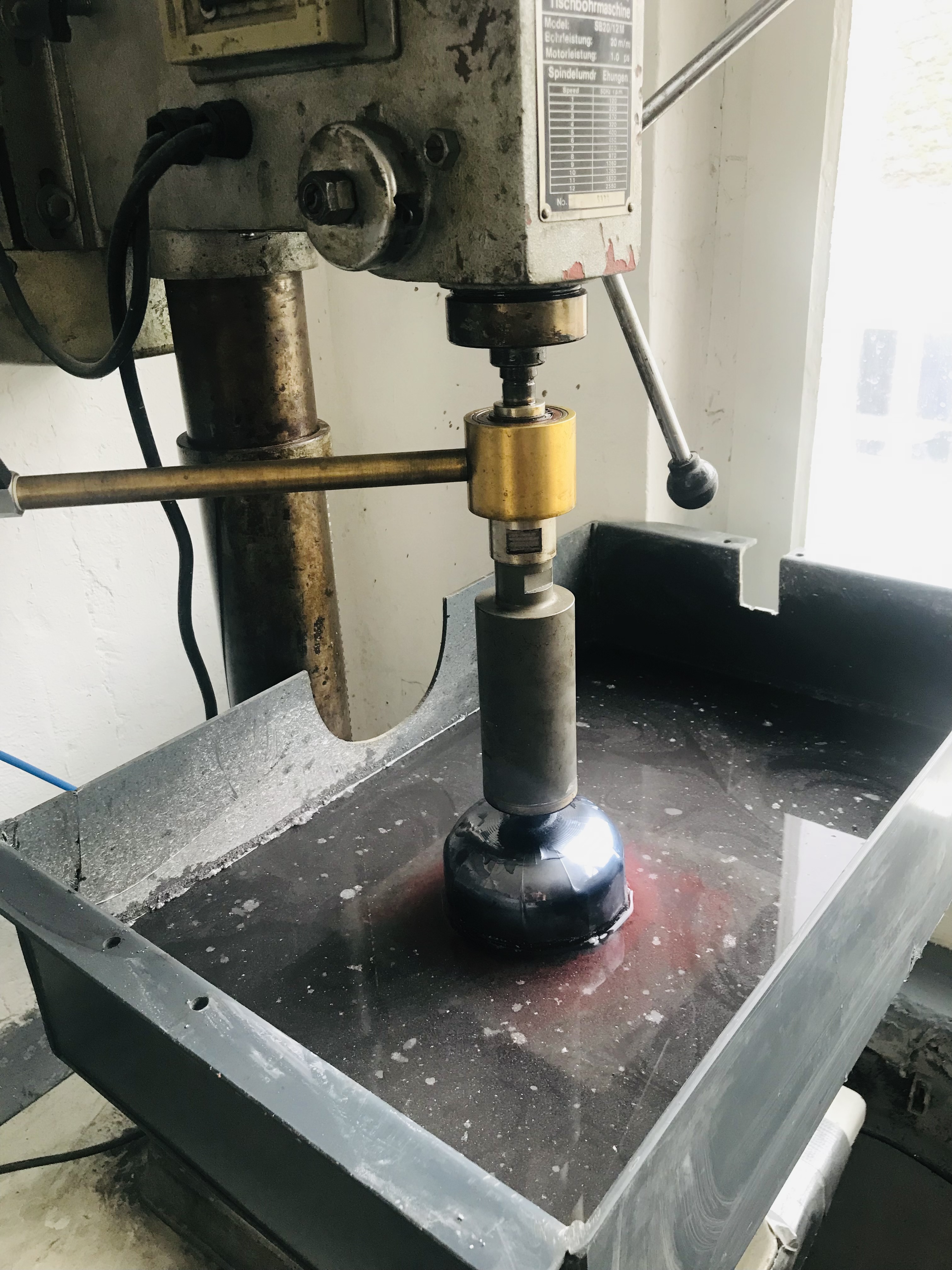
Figure 3: Experiments in the studio with monocrystalline silicon (Domingues 2023-2024).
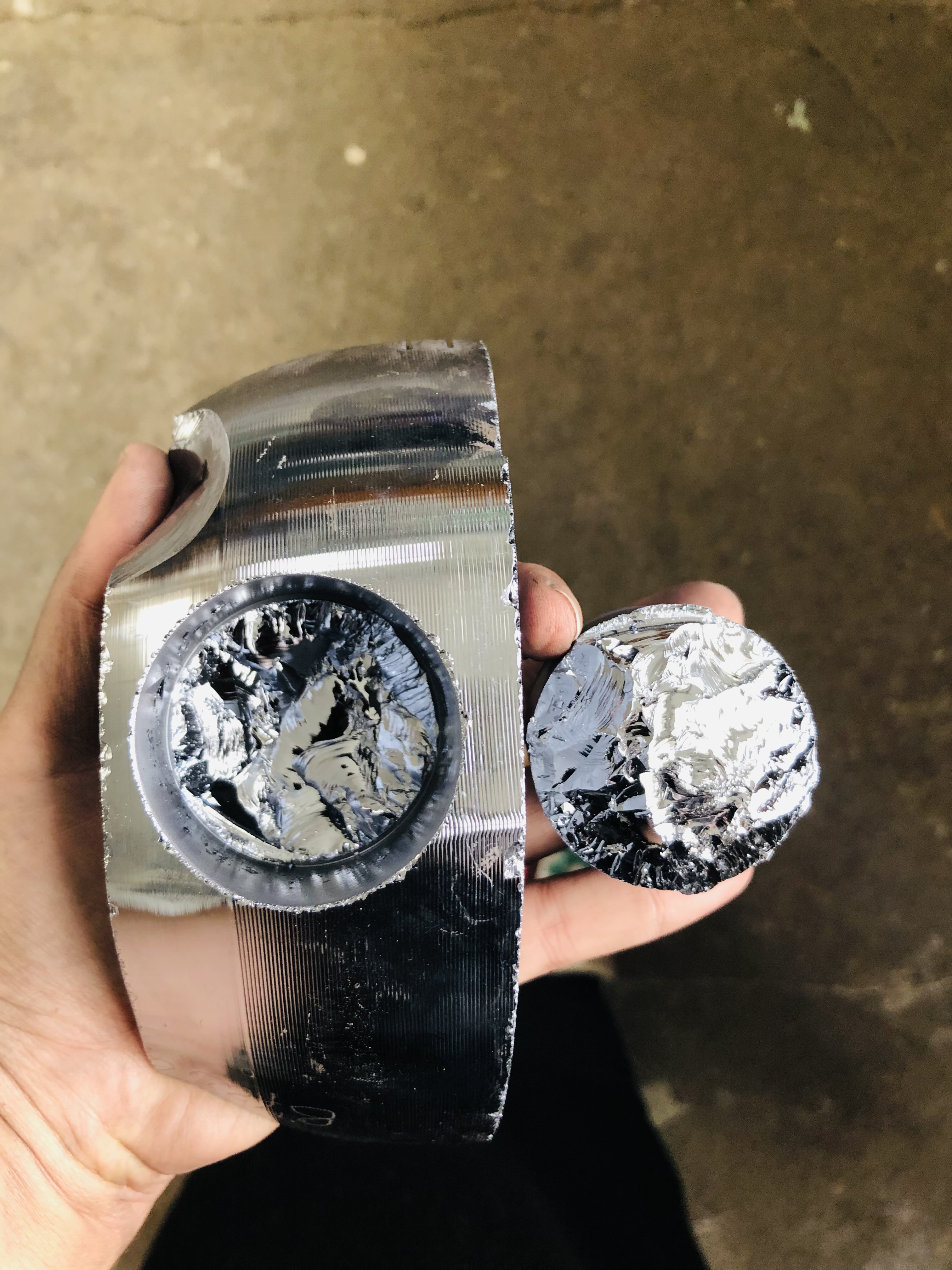
Figure 4: Experiments in the studio with monocrystalline silicon (Domingues 2023-2024).
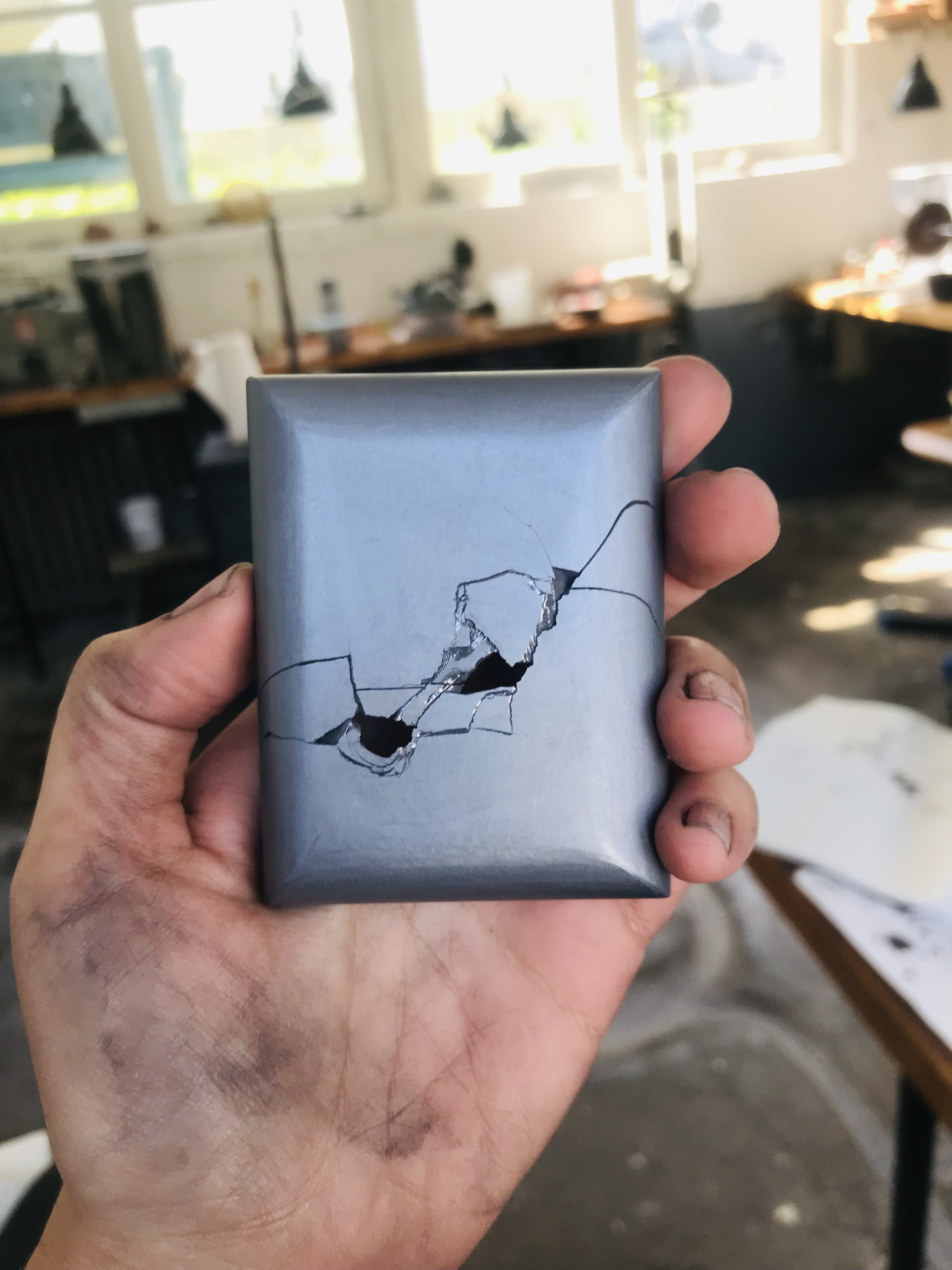
Figure 5: Experiments in the studio with monocrystalline silicon (Domingues 2023-2024).
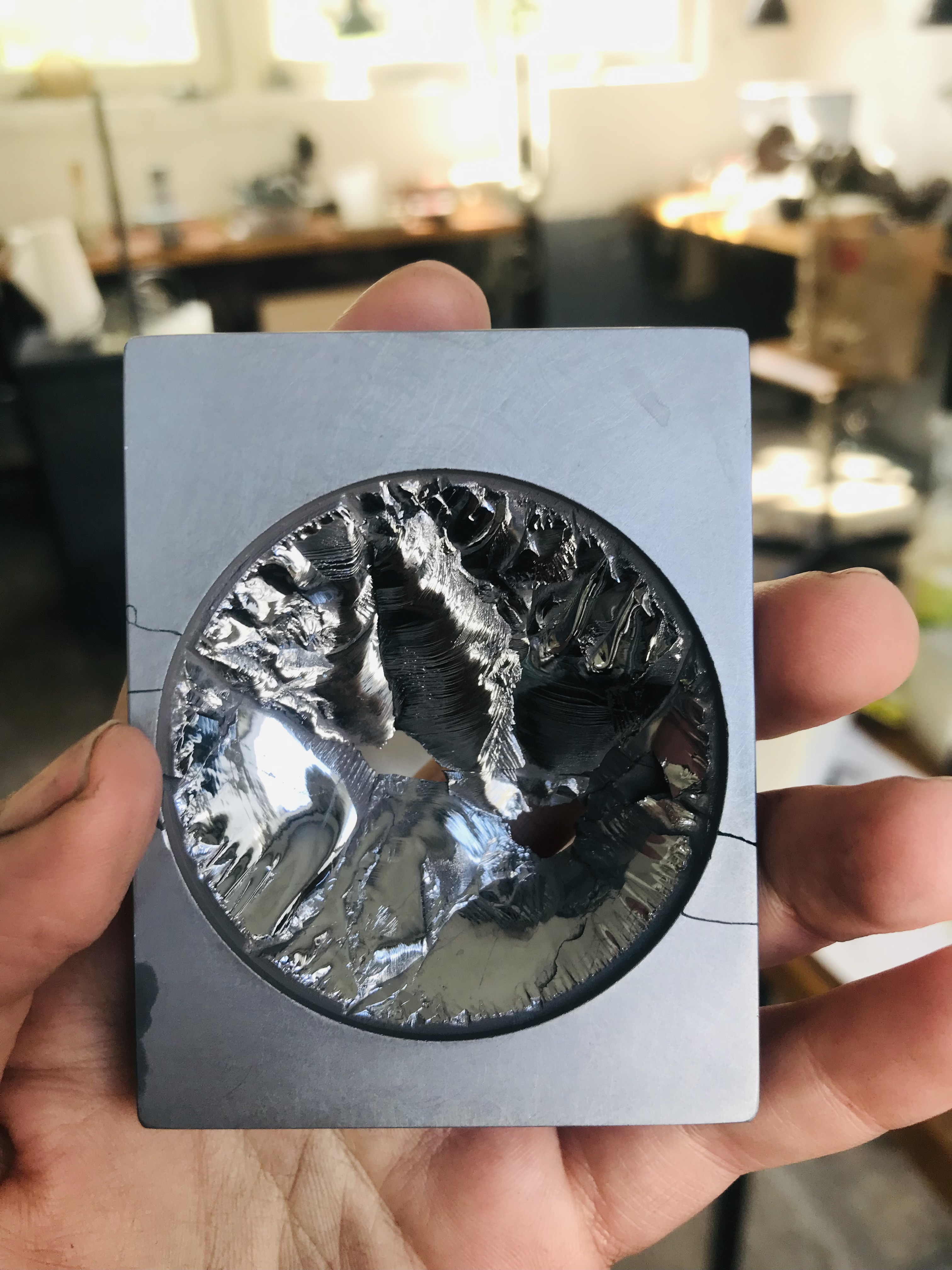
Figure 6: Experiments in the studio with monocrystalline silicon (Domingues 2023-2024).
While handling silicon in my hands, what intrigues me specifically is the tension between intentional acts, such as cutting or drilling into the core of the material, and uncontrolled accidents, such as fractures. While the cut and the drilling are premeditated decisions, the fracture is partially out of my control. Through the will to control, the fractures develop and are liberated as the material inevitably cracks in release. The lines, fractures and cuts visible in my work are, in this way, always the result of repetitive gestures performed on the material and its responsive language. They evoke a sort of geological archive, based on a succession of bodily actions or events (Domingues 2022). As I carefully fragment and then reconstruct this material, the process becomes a negotiation with it, and perhaps a conscious, tautological gesture, to deconstruct and reconstruct what has already been fragmented through mining and reconfigured by industrial processes and digital needs.
As I work to shape this piece of silicon using diamond wheels, disks and water, my hands become coated in what feels like a sticky, oily, and dense technological fluid (Figure 7). The material that gave its name to Silicon Valley and is derived from accelerated, automated, and augmented processes is unpredictable, brittle and messy. It is heavy, dirty and hard to control. In this way, silicon is analogous to our technological lives. As I observe my hands and arms immersed in this silicon bloodstream, I cannot help but reflect on how remarkable it is that the same silicate minerals have provided two distinct paths for human progress. Silica, in its transparent form, gave us glass and the ability to look through windows, a precursor to our modern habit of staring into screens. Yet when oxygen is removed to produce pure silicon, that transparency disappears into a dark, opaque semiconductor. We have moved from looking through the material to processing the world with it.
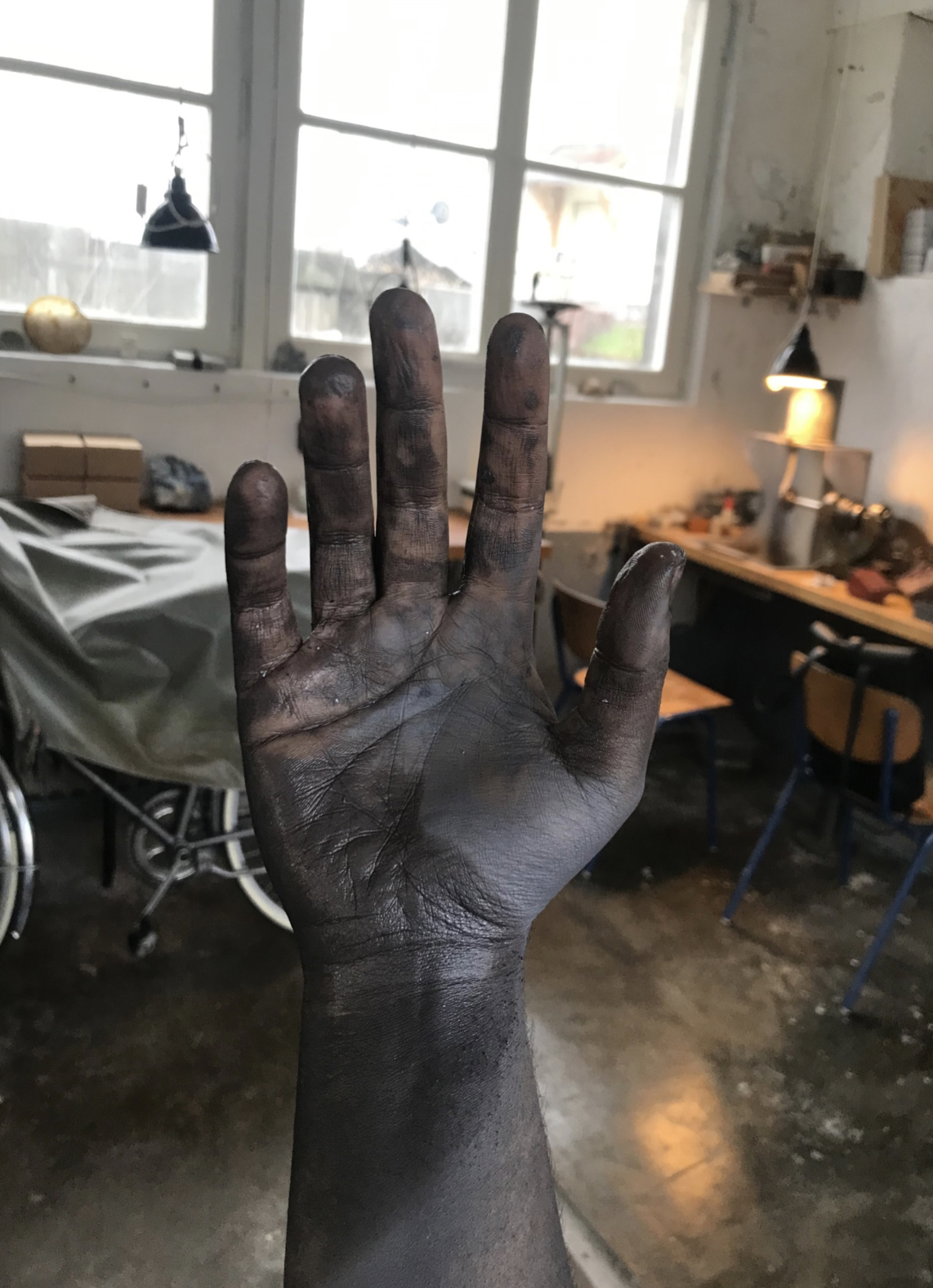
Figure 7: Technological fluid in my hands, studio (Domingues 2023-2024).
Separating Life from Matter
As digital technologies become increasingly embedded in everyday life, how can we engage in critical reflection and consider the parallels between digital systems and colonial forms of power that have historically reduced the non-human world of stones and minerals to exploitable resources and commodities? As Kathryn Yusoff, a professor of inhuman geography, argues, colonial and imperial regimes produced a binary categorisation of the nonhuman as either organic or inorganic matter, reducing it to properties defined by extractability and passivity (Yusoff 2018, p. 4). This neutralisation of matter into something mechanical established the conditions through which both raw materials and the people inhabiting extractive landscapes were simultaneously encapsulated and uprooted. The ways in which land has been rendered inhuman have, in turn, metabolised into our own modes of thought. Such conditions enabled the emergence of what Mario Blaser and Marisol de la Cadena define as extractivism: “the accelerated extraction of natural resources to satisfy a global demand for minerals and energy, and to sustain what national governments consider economic growth” (Blaser and de la Cadena 2018, p. 2). Pushed into a collateral limbo, the objectification of the nonhuman—and of certain human bodies—has severed them from their own narratives of life, movement and entanglement, reducing them to things. As Jussi Parikka further suggests, colonialism constitutes a key precondition for how the mineral world is engaged by contemporary digital culture (Parikka 2015, p. 105). The neutralisation of matter began through colonial processes, opening a direct pathway toward the logics and networks that structure the digital realm today. In this sense, AI can be understood as an intensification of these trajectories, extending the treatment of matter as passive, available and awaiting extraction.
A Stratigraphical Performativity
In a split second, while using a chisel and a hammer to strike a piece of silicon held in my hands, the material breaks apart. I am captivated by how this lab-made crystal begins to resemble natural stones such as slate, schist or quartzite: a metamorphic landscape organised into stratigraphic layers (Video 4). It is as if the potential and emergence of information present in nature extrapolates into images, patterns and technological forms. Perhaps nature already contains the idea of technology, which then unfolds through its discovery.
As the material reveals a previously hidden raw quality, now exposed by the fracture, my thoughts turn to Tim Ingold’s critique of hylomorphic models: the classical understanding that form is imposed upon passive matter. In this view, templates and geometrical intentions are seen as cultural projections onto raw materials supplied by nature, waiting for meaning and transformation (Ingold 2023, p. 45). As I proceed, observing what looks to my eyes like a mesmerising shiny landscape, earth-like and alien at the same time, I reflect on how, instead, materials are in continuous flux, reverberating and resonating across the multi-fractal scales of the universe.
Perhaps this is similar to what American psychologist James J. Gibson said when referring to things having ‘affordances’. Affordances explain both the environment and the animal in a way that no existing term does (Gibson 2015, p. 119). It implies the complementarity of the animal and the environment:
“Actually, an affordance is neither an objective property nor a subjective property; or it is both if you like. An affordance cuts across the dichotomy of subjective-objective and helps us to understand its inadequacy. It is equally a fact of the environment and a fact of behaviour. It is both physical and psychical, yet neither. An affordance points both ways, to the environment and to the observer.” (Gibson 2015, p. 121)
Hence, affordances offer a way of understanding making as a relational field in which material, body and environment co-produce possibilities for action. Perhaps this is also what Karen Barad intends when she writes: “Matter and meaning are not separate elements. They are inextricably fused together, and no event, no matter how energetic, can tear them asunder” (Barad 2007, p. xix). When I look at the fractured piece of silicon, its stratigraphic layering begins to echo systems of human knowledge production: the hierarchical and often linear ordering of information, like the sequential pages of a book, the stacked architectures of databases or the layered infrastructures of computation. These systems, much like geological formations, are built through processes of accumulation, compression and selection, where certain traces are preserved while others are eroded. In this sense, silicon does not simply resemble a landscape; it performs a way of thinking.
Beyond AI making concrete use of raw materials, there exists an organisational condition, composed of qualities, intensities and affordances, that already resides within matter. Materials are therefore never hylomorphic; they are not passive substrates awaiting form or meaning, but active systems carrying potentials, tendencies and modes of organisation. Acknowledging this could lead to a shift in the ways we render matter, not as a thing but a sensible, creative realm of kaleidoscopic agentic forces.
Optimising the Fracture
“A fracture is never linear—the growth is self-amplifying, and the effect does not follow in proportion to the cause. A tiny crack can turn into a catastrophic one.” (Ball 2009, p. 77)
Through my practice, I have become increasingly engaged with processes of technological complexification. By this, I refer to the way technologies, from their earliest forms, tend to evolve into increasingly complex systems, often moving beyond direct human comprehension. In response, I call for the urgent development of a technological-craft-thinking, a mode of engagement that seeks to demystify and reclaim an embodied understanding of technologies that have become too complex and opaque to be fully grasped. Drawing on Ingold’s notion of “knowing from the inside” (Ingold 2000; Ingold 2023), this approach foregrounds situated, material and experiential forms of knowledge, rather than detached abstraction.
The origins of human technology have long centred around fracturing, splitting and reshaping materials, aiming to reach the core of things. As Tim Ingold observes in a lecture on the knowing body, skill, like the opening of a shell, is inherently concerned with parts that are continually splitting apart. Splitting also underlies individuation, an ontogenetic process of differentiation and identification that is never complete but “always ongoing”, like a family whose members are taken apart to make separate lives, yet keep growing from the inside (Ingold 2016, 26:00). In this view, human skill is an evolving relationship with materials, where the split is never final, and both maker and material are transformed in a process that mirrors life itself. However, today’s AI systems’ dependence on mineral resources and on mineral prospecting represents a shift. These systems optimise the fracture for maximum efficiency, predicting where and how to split landscapes and reducing the Earth to data points for extraction. Ingold’s idea of skill as an ongoing, evolving process contrasts sharply with AI’s pursuit of precision and control, which opens the landscape not in partnership but from a position of conquest.
Much like an emergent fracture that accelerates unpredictably, whether in a landscape or in a piece of silicon held in my hands, AI-driven systems optimise extraction processes beyond human foresight. AI systems exhibit similar nonlinear dynamics, where seemingly small interventions trigger exponential effects. Not only is AI dependent on minerals; mining companies are also increasingly using machine learning in mineral surveying and prospecting. Some examples of large-scale studies using AI as a predictive tool to identify potential mining sites are articles like: Predictive Modelling of Mineral Prospectivity Using Satellite Remote Sensing and Machine Learning Algorithms (Mahboob et al. 2024) and Machine Learning Prediction of Quartz Forming-Environments (Wang et al. 2021) (Figures 8–10). Using convolutional neural networks, support vector machines and random forest models, these studies condense scattered data points into potential sites of extraction, where signals and probabilities begin to map future fractures in the Earth. Data does not remain abstract nor neutral; it propagates into matter, prefiguring cuts, displacements and excavations yet to occur. In this sense, AI operates as a technological fracture of exhaustion, an optimisation tool designed to target the core of the landscape. Its prospectivity maps function as predictive cartographies of extraction. In these systems, algorithms, much like a colonial mindset, are trained to predict value within landscapes, dividing matter into extractable and non-extractable categories while dismissing the countless other attributes and complexities of entire ecosystems. Through these processes, of predictive geology and of categorisation and optimisation, landscapes are rendered legible primarily in terms of economic growth. As Kate Crawford argues, AI, through acts of categorising and labelling, is already becoming both a political force and a form of epistemological violence in its attempts to make the world readable and controllable (Crawford 2021, p. 230). While rendering the world legible, these algorithms and the capitalist systems that sustain them tend to ignore that nature is rhizomatic, emergent, relational and constantly evolving through complex entanglements that resist determinist results.
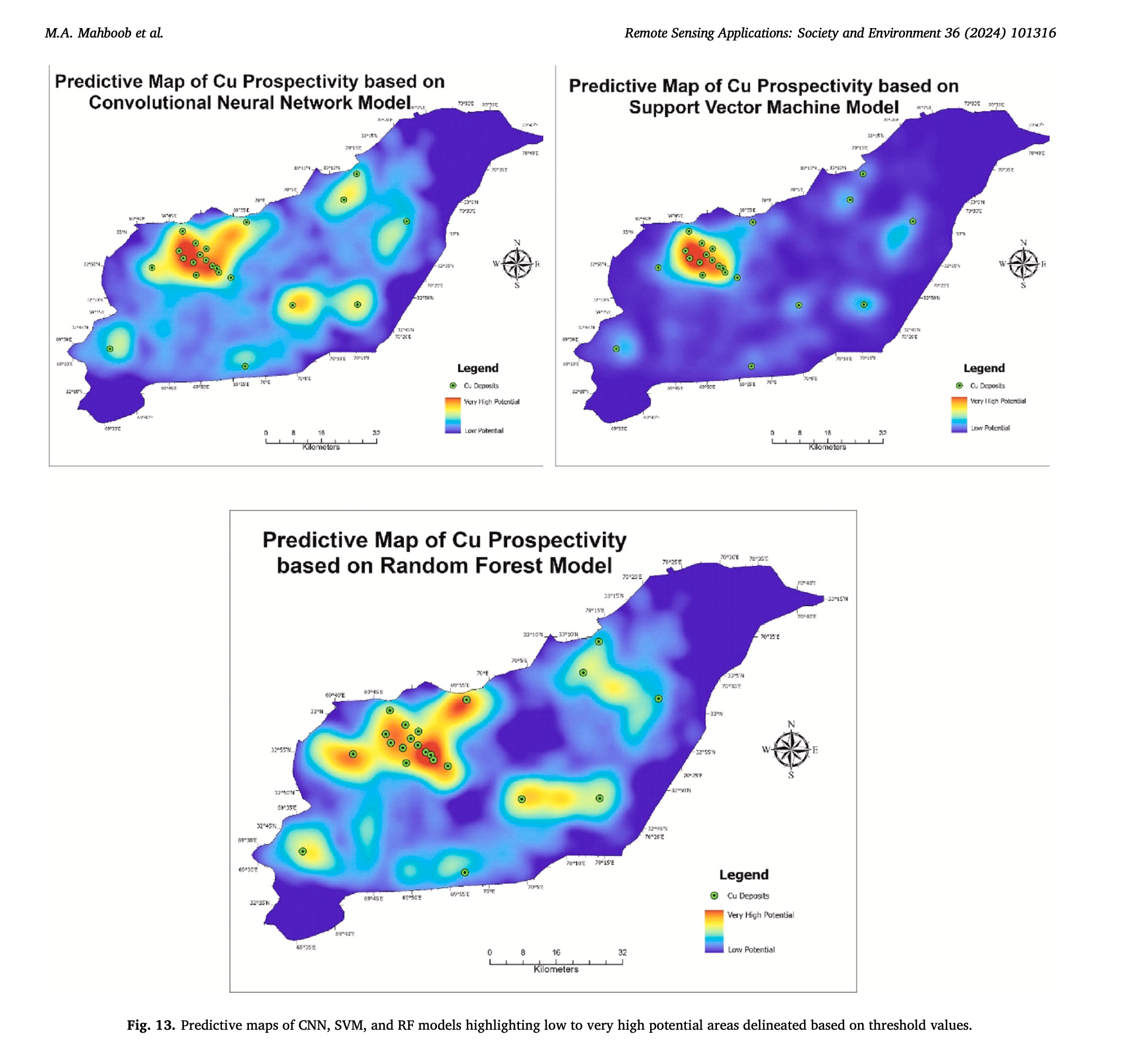
Figure 8: Predictive modelling techniques applied to mineral prospectivity (Mahboob et al. 2024).
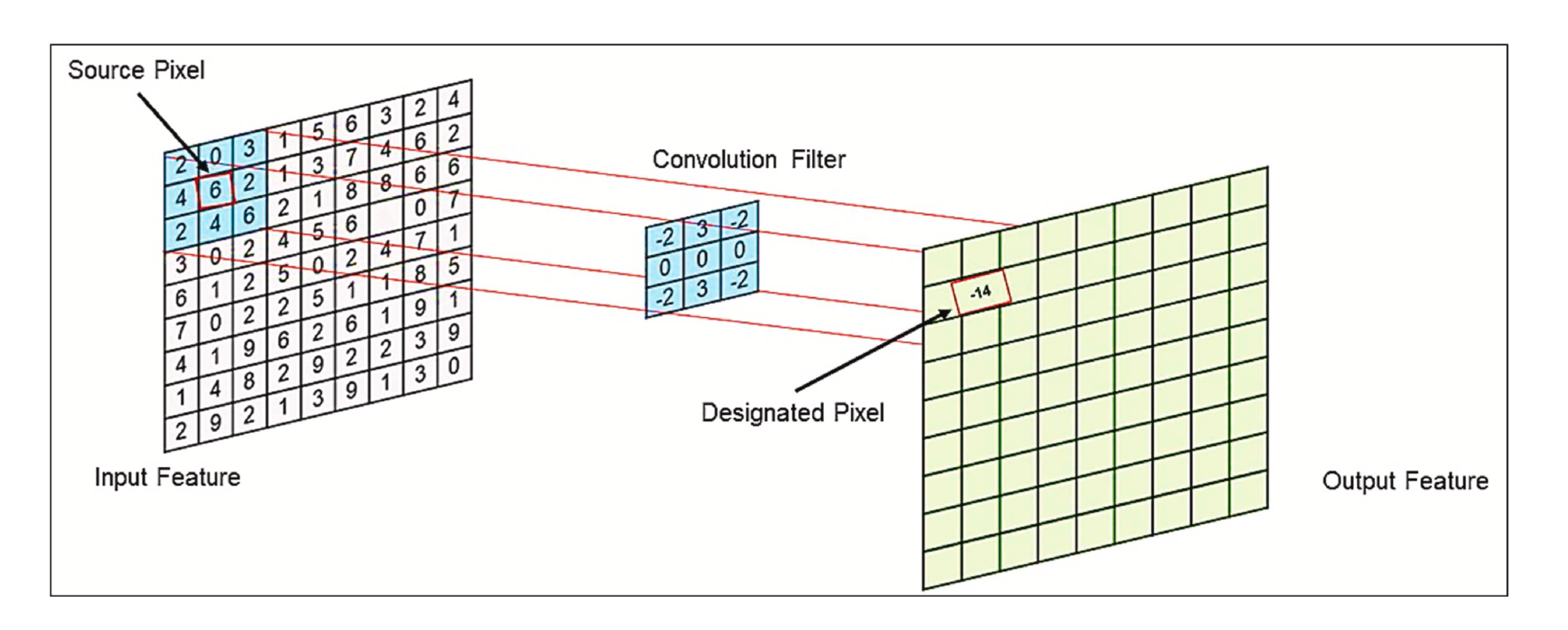
Figure 9: Predictive modelling techniques applied to mineral prospectivity (Mahboob et al. 2024).
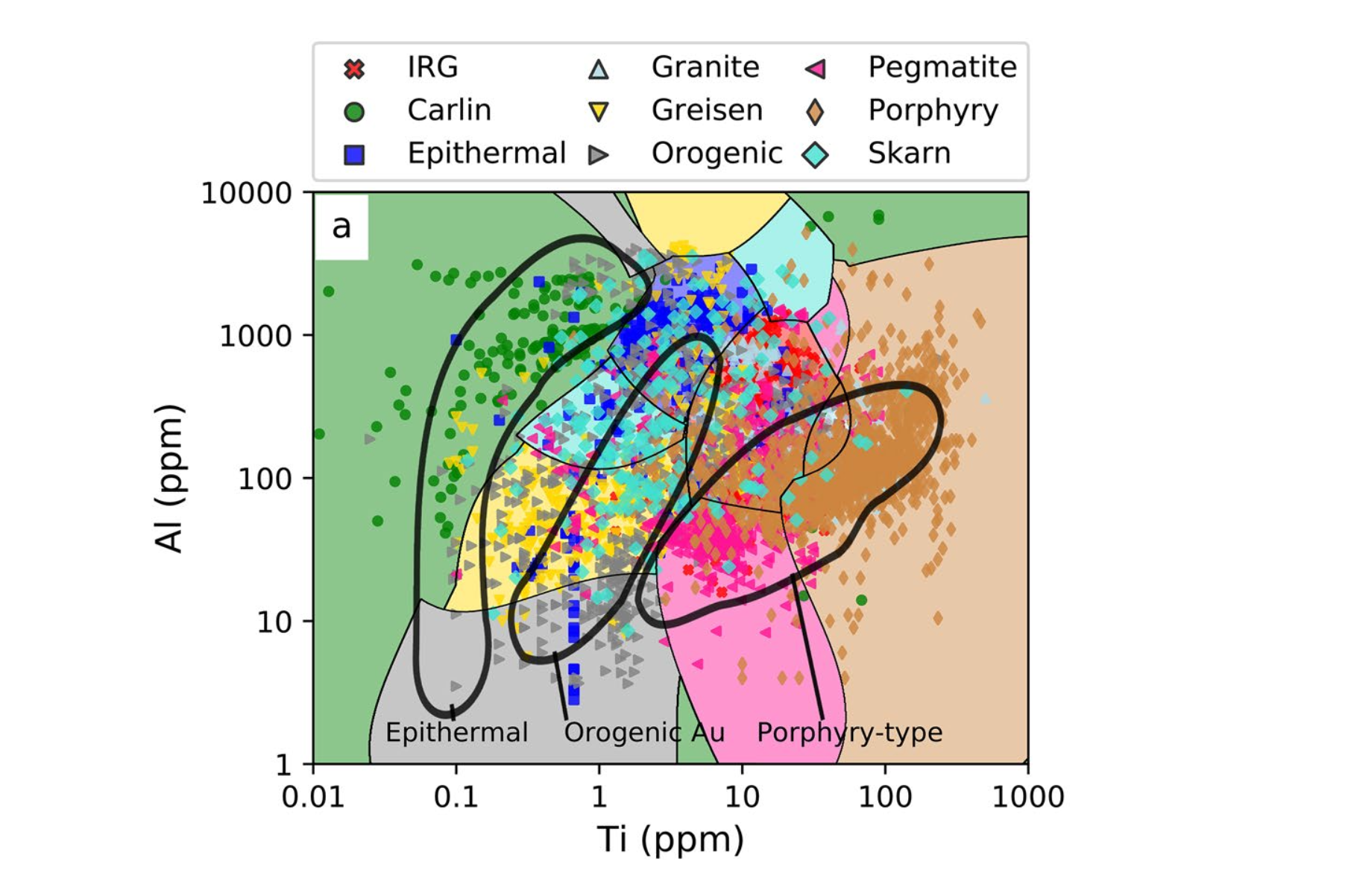
Figure 10: Machine learning models reveal how geological processes are increasingly mediated through computational systems (Wang et al. 2021).
A Speculative Posthuman Exercise: Co-Technological Metabolism of Exhaustion
Perhaps it is not a coincidence that one of the earliest automata attempted to replicate digestion. The Canard Digérateur, or Digesting Duck (Figure 11), created by Jacques de Vaucanson and unveiled in France in 1739, was a mechanical automaton designed to imitate biological metabolism. The duck appeared to eat grains, digest them and defecate—a striking attempt to mechanise one of the most fundamental processes of life.
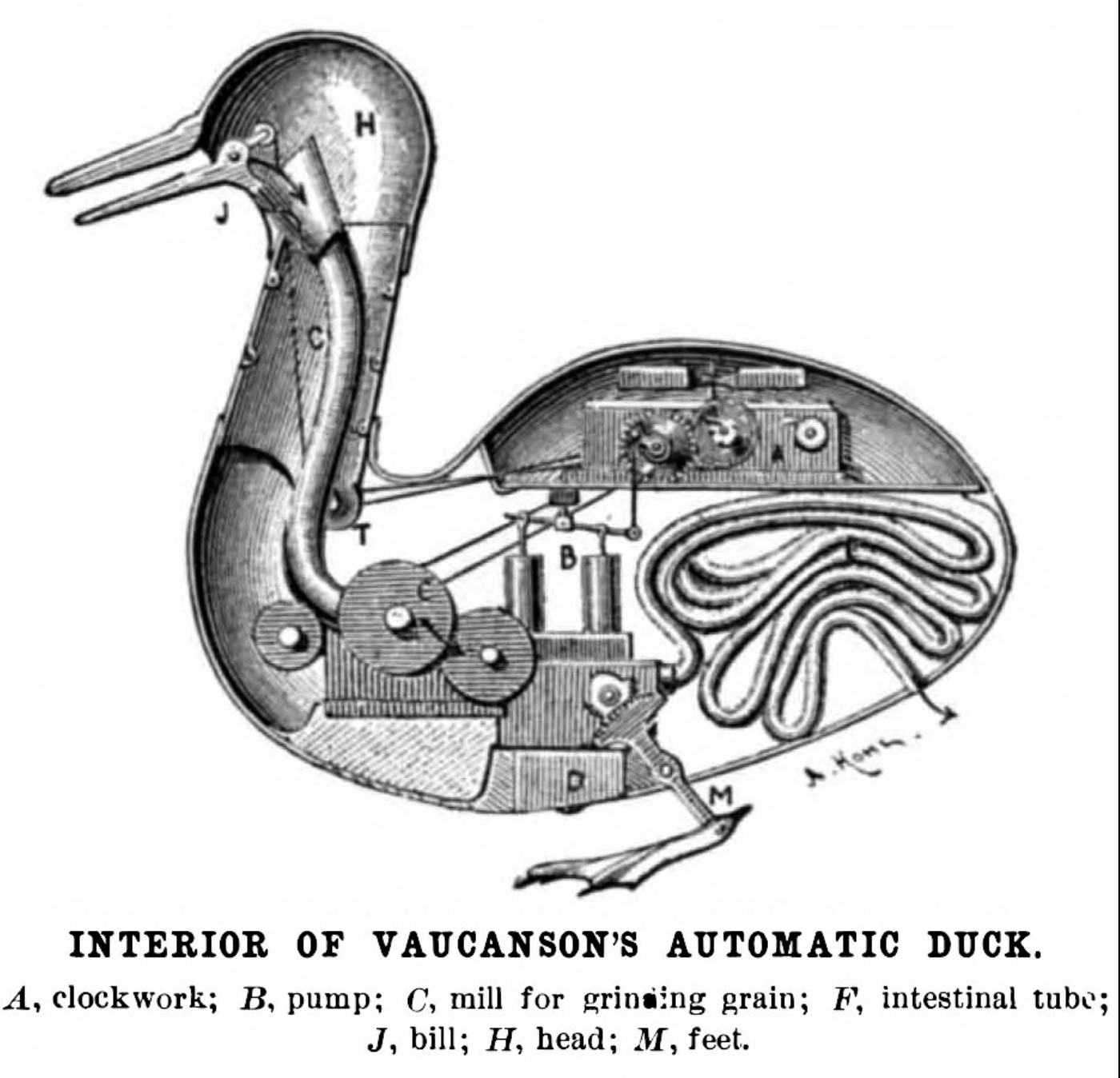
Figure 11: Digesting Duck (Hodinkee n.d.).
Contemporary AI systems can be analysed through a similar lens. If we extend the metaphor of metabolism, AI’s ability to optimise the search for mineral resources could be understood as a form of technological ‘feeding’. In this sense, AI evolves increasingly efficient ways of locating and extracting the very materials that sustain its existence: rare minerals, energy and computational infrastructure.
In a strange feedback loop, AI participates in discovering and extracting the resources required for its own expansion. AI may not be alive in a biological sense, yet it operates within what might be described as a technological metabolism, a system that consumes planetary resources in order to sustain and scale its operations (Figure 12).
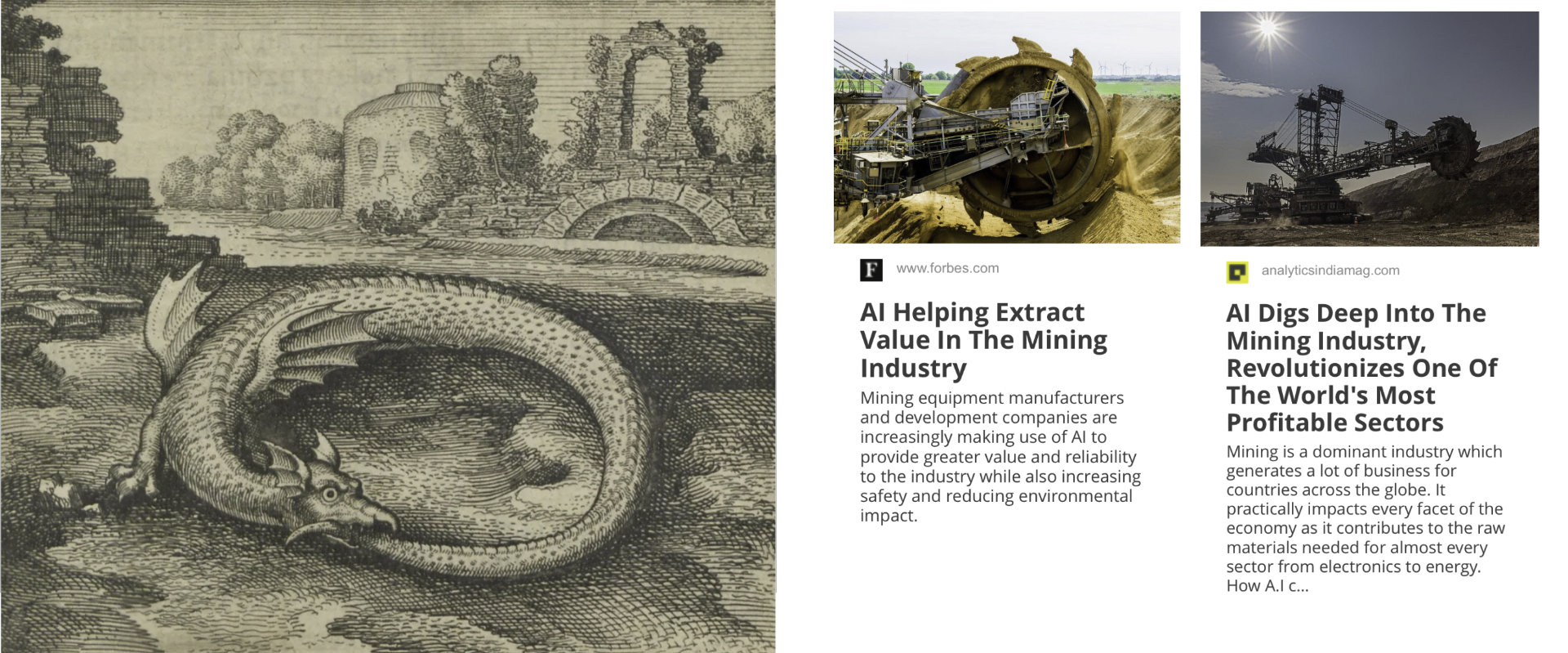
Figure 12: Screenshot of a Miro board, Thinking through images, 2024. Image selection from Reverberations of the Earth, a lecture presented at Konstfack University as part of the symposium One Day About Craft and AI (Domingues 2024).
Through this process, AI effectively inscribes itself onto the Earth’s material substrate. The extraction of minerals and their transformation into technological artefacts and toxic substances becomes a form of planetary encoding. Landscapes are reshaped, ecosystems disrupted, and global socio-economic structures reorganised around the demands of computational infrastructures.
If we extend this analogy further, AI begins to resemble a system of self-perpetuation. The more efficient AI becomes at locating and exploiting resources, the more resources it consumes, enabling the development of even more advanced systems. This recursive dynamic mirrors evolutionary processes in which survival depends on securing sufficient ‘nutrients’. Speculating on AI as a metabolic system raises pressing ethical and environmental questions. If AI-driven industries continue to accelerate extraction, the result may be a form of technological overconsumption, an ecological exhaustion comparable to a biological organism depleting its food supply.
The work of biologist Scott Gilbert offers an illuminating parallel through the concept of the holobiont (from Greek holos, whole; bios, life; ont, being). A holobiont is not a single organism but a composite entity formed by the host and the many microorganisms such as bacteria, fungi and viruses that live within and alongside it. As Gilbert suggests, the human is not a bounded entity but an assemblage of interdependent species living in symbiosis (Gilbert 2020, pp. 27–35). Seen from this perspective, we are not simply users of technology but participants within a broader geo-technological metabolism. In this relationship, humans become part of a larger technological organism. Our labour, creativity and infrastructures sustain the systems that enable AI to function and expand. The concept of co-technological metabolism highlights this mutual entanglement: humans and machines participate together in processes of extraction and transformation.
Similar to the idea of affordances by Gibson, Gilbert notes, “The symbiont is giving a property to the holobiont that can shape evolutionary processes” (Gilbert 2020, p. 30). Humans, as symbiotic agents within technological systems, provide the capacities that allow AI infrastructures to develop and persist. Recognising this entanglement challenges us to rethink our role within these systems and invites us to imagine forms of technological coexistence that move beyond purely extractive logics.
Jewellery as a Conductive Device
As a jewellery artist, I am interested in how we connect sympathetically with things, particularly through jewellery and other small-scale objects that act as fragments mediating between our bodies and wider material realities. Through these fragments we establish symbiotic relations with the environment and begin to make sense of the world (Domingues 2022, p. 5).
In my practice, ideas of jewellery and technology intertwine. James Bridle, discussing Ursula K. Le Guin’s writing, describes technology as an active interface with the material world (2022, p. 13), while Beatriz Colomina and Mark Wigley describe jewellery as an early form of information technology, meant to communicate the identity, beliefs, culture and status of the wearer (Colomina and Wigley 2016, p. 65). Within my practice, I approach jewellery as a sympathetic technology (Domingues 2022, p. 150), a feeling-with material interface through which bodies, materials and environments come into relation. Jewellery, much like silicon, is a threshold; it lives in the liminal, where bodies blur, and identities become not just human but more-than-human.
From a critical perspective, jewellery becomes both a stage and a mode of mediation through which new values take form, where older and emerging systems of value collide.
Jewellery artist Clementine Edwards’ work has been described as inviting “intimacy via detail, story, and precariousness” (Edwards 2021–2022), in which small-scale forms can hold complex narrative and material relations. I am interested in this quality, how jewellery affords forms of telling, or of transmission (as Colomina and Wigley might suggest), across symbolic, technological, poetic and critical discourses.
In societies which are increasingly shaped, developed and accelerated by AI, I have been thinking further of jewellery as a conductive device, where conductivity is an affordance that cuts across the dichotomy of subject and object. This is not an attributed property but an inherent quality of affective symbiotic bodies. Jewellery, as a medium of affects, can actively conduct new empathic relations with the material world while critically revealing the metabolic systems of AI.
As I carefully shape forms that resemble classical cabochons (Figures 13–17)—gemstones traditionally cut into rounded, sensuous surfaces—the soft edges and fine finish of the silicon begins to echo the seductive curves of my laptop. As I admire the internal structures and crystalline organisation of this material, I cannot help noticing that these crystals are, at their core, forms of highly organised matter: industrial, nearly free of imperfections, grown into a state of predictability and readiness. Perhaps my gestures upon them, with the support of chisels, hammers and diverse machinery, attempt to restore a singularity once lost: to interrupt silicon’s readability and open it toward a new reading of affects, a new disorder within this otherwise perfect structure. In this sense, the fracture becomes a place of repair, a site that acknowledges how heavy our immaterialities in fact are. Here, the logic of computation is unsettled: what is designed for clarity, efficiency and prediction is returned to the contingency of matter.
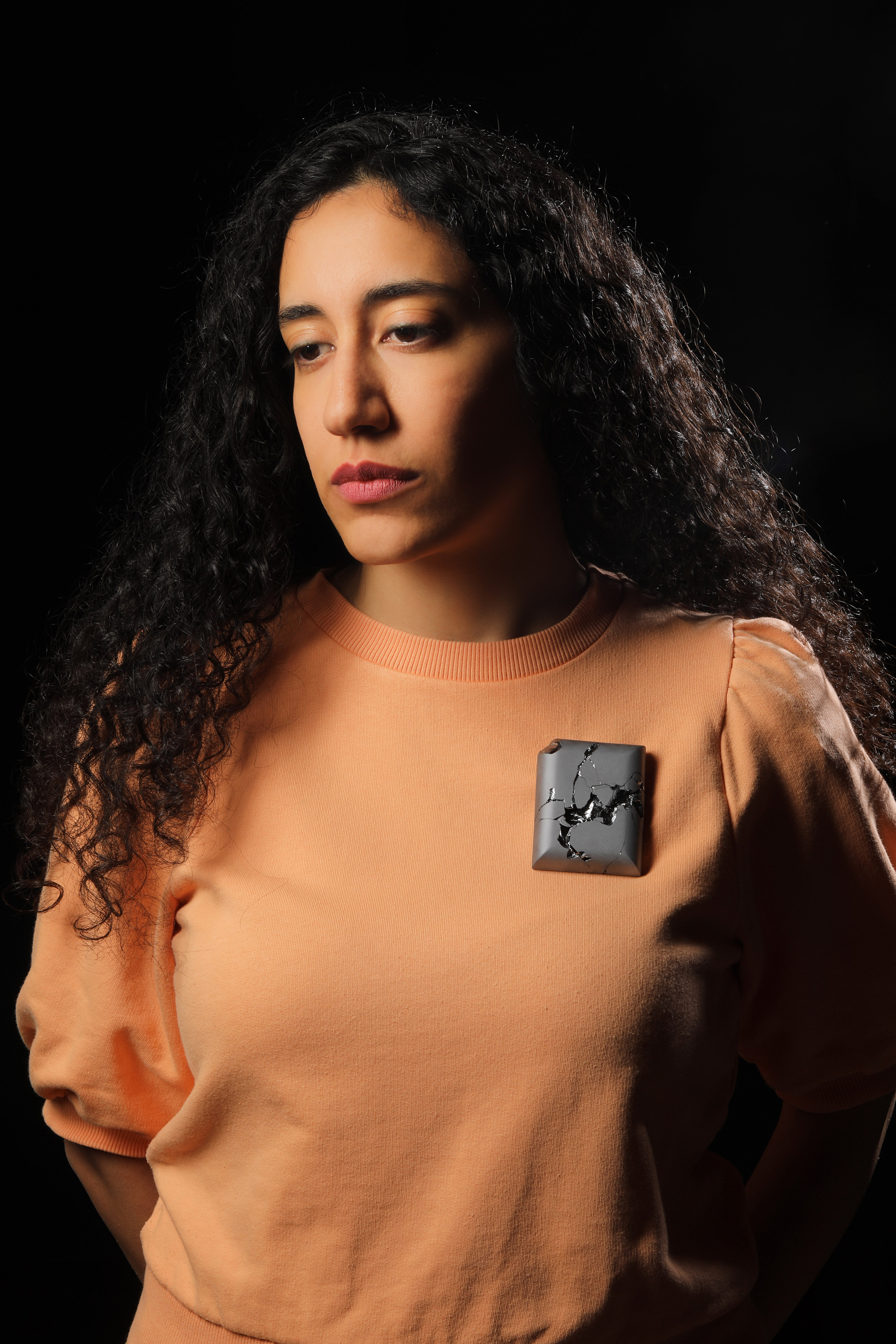
Figure 13: Semiconductor Device N.1–4. Brooches. Traditional stone cutting techniques (drilling, faceting). Fracturing technique developed by the artist. Monocrystalline silicon and steel (Domingues and Ashrafi 2023-2024).
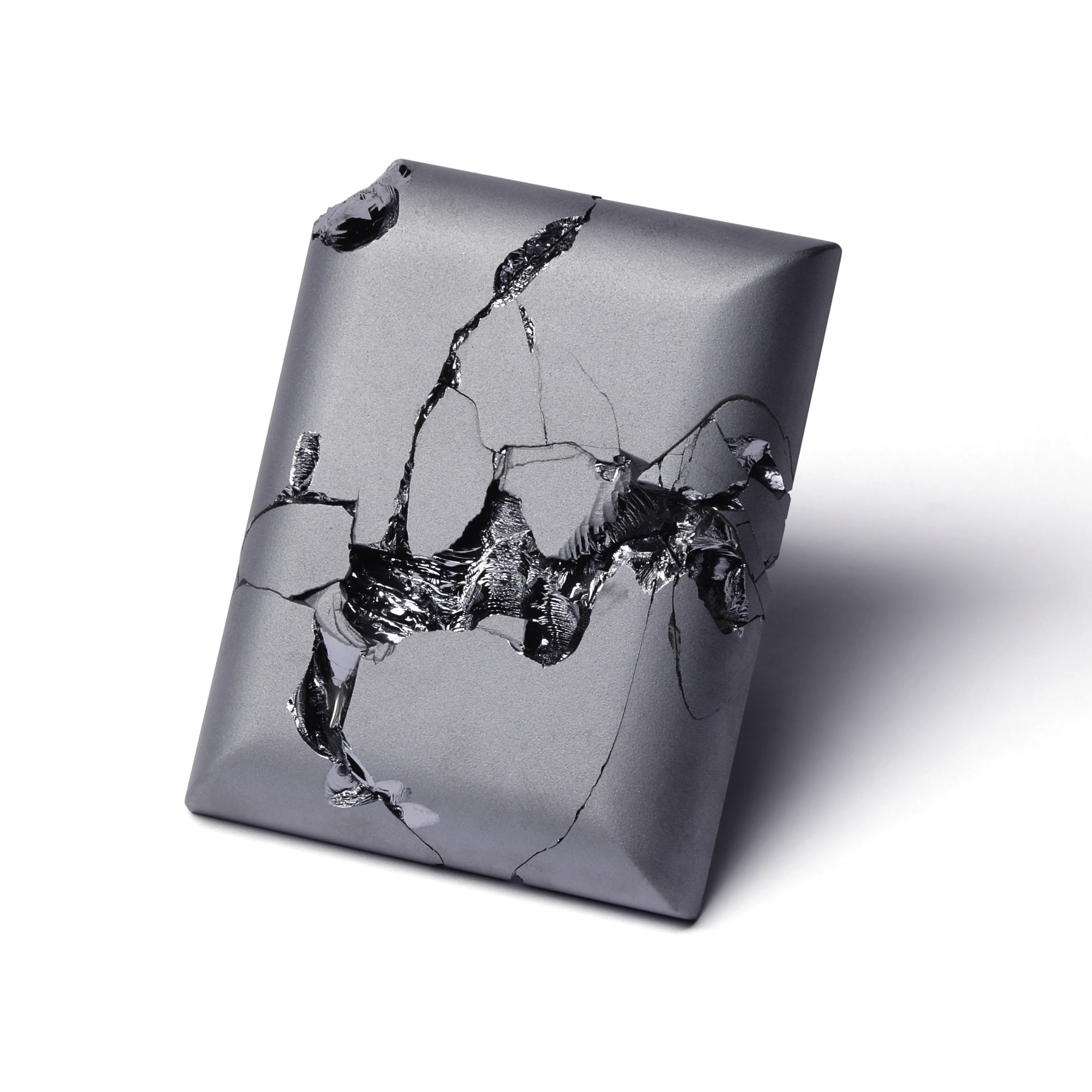
Figure 14: Semiconductor Device N.1–4 (detail) (Domingues and Ashrafi 2023-2024).
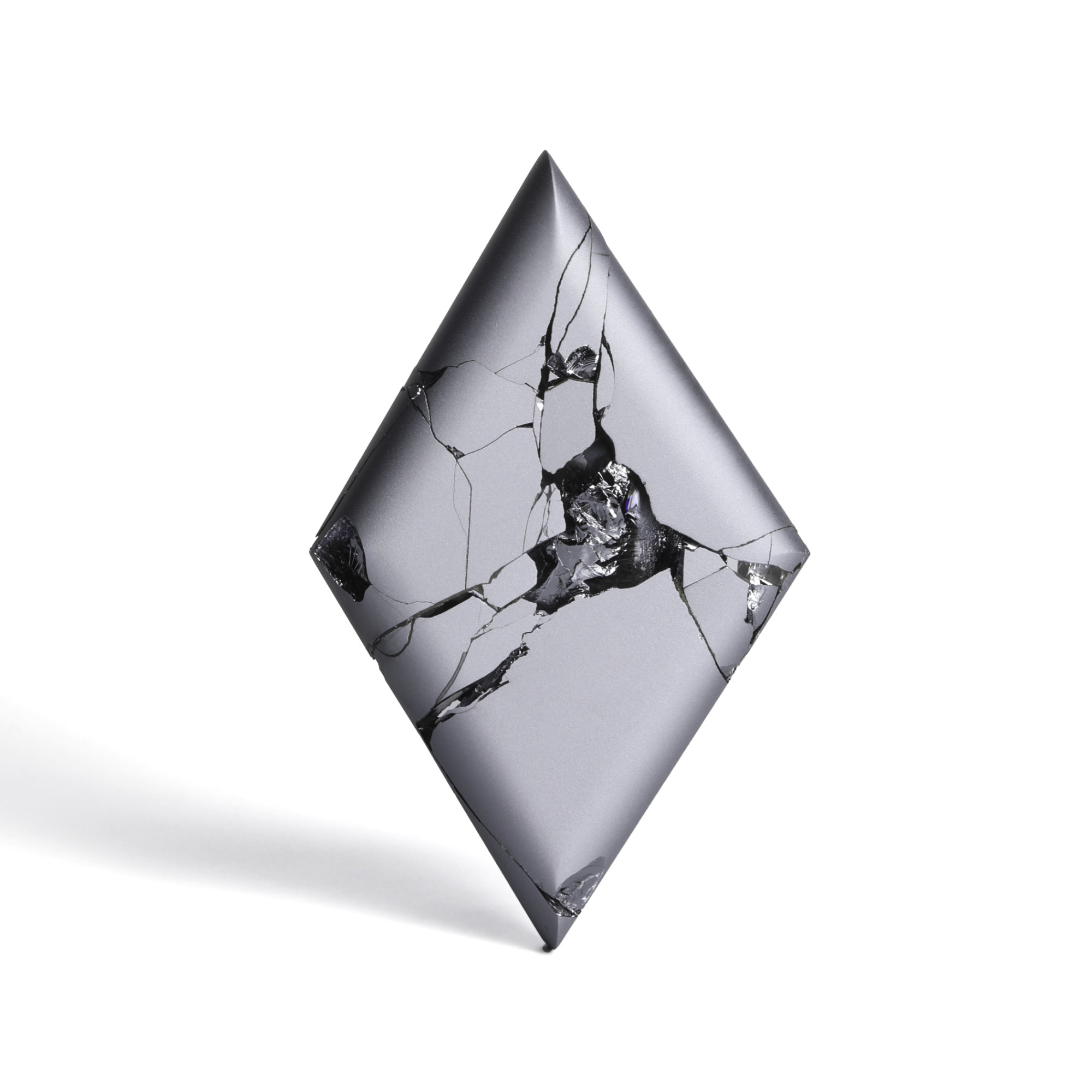
Figure 15: Semiconductor Device N.1–4 (detail) (Domingues and Ashrafi 2023-2024).
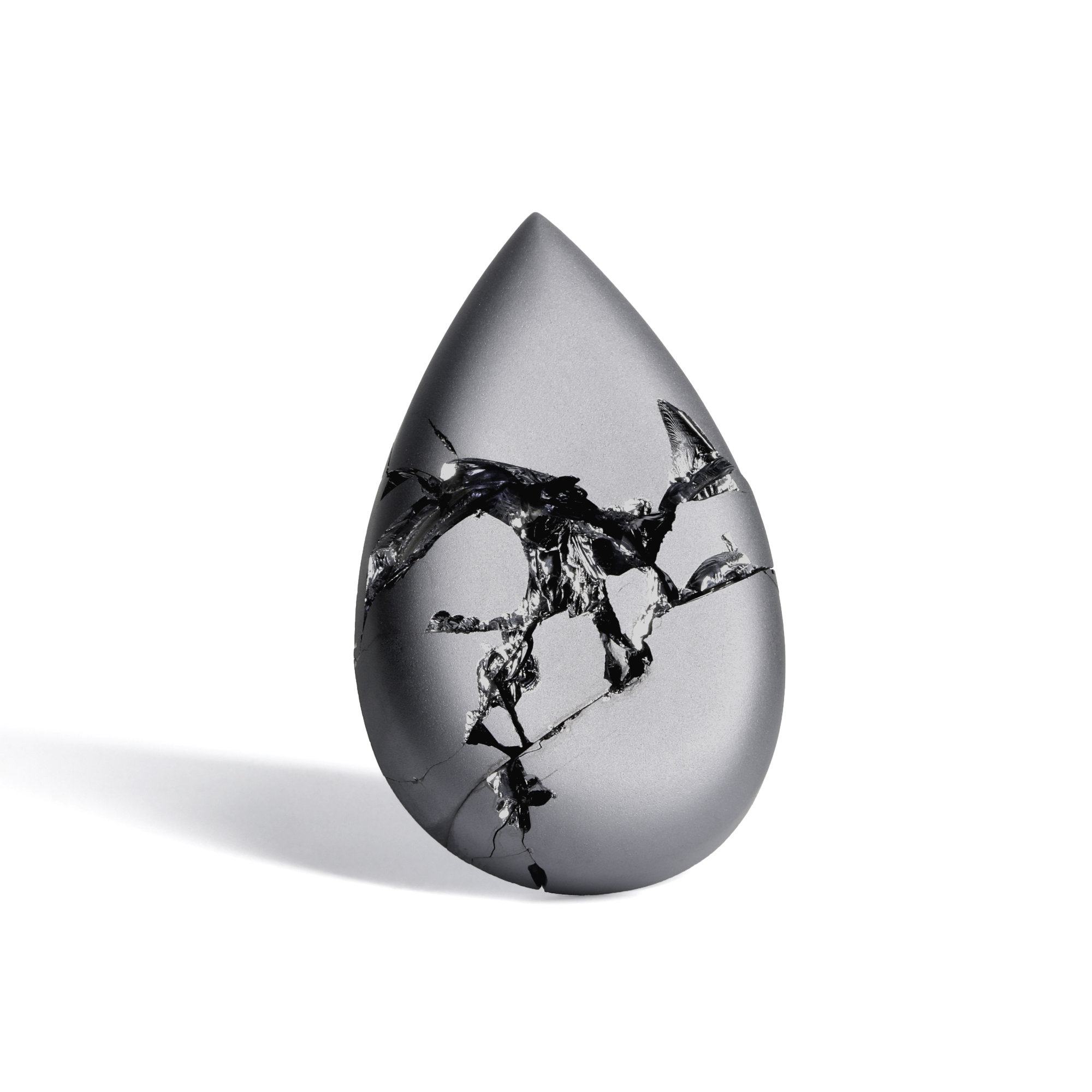
Figure 16: Semiconductor Device N.1–4 (detail) (Domingues and Ashrafi 2023-2024).
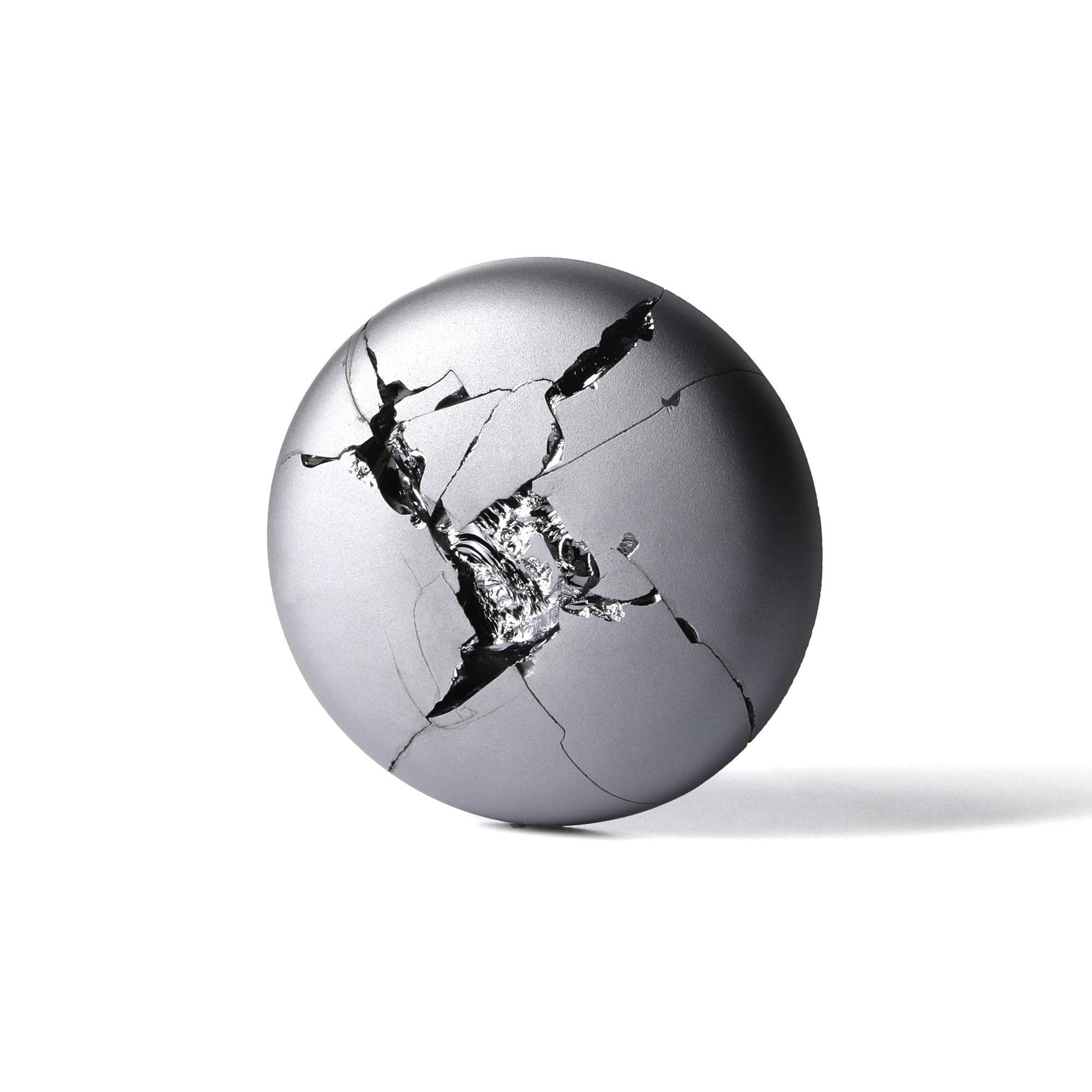
Figure 17: Semiconductor Device N.1–4 (detail) (Domingues and Ashrafi 2023-2024).
Conclusion
There is much to learn when we attune ourselves to the textures, patterns and behaviours of the material world. Material-led practices and craft engagements grounded in attention and care, offer a way to develop an embodied understanding of AI, not as an abstract system, but as something emerging through matter, energy and labour.
Through working with materials such as silicon, the infrastructures of computation acquire weight, resistance and fragility. Cutting, drilling and fracturing become ways of thinking through technology otherwise, interrupting narratives of seamlessness and control. These gestures operate methodologically, exposing the tensions embedded within technological systems and their reliance on extractive logics.
If AI is understood as part of a broader geo-technological metabolism, then craft offers a critical counterpoint, foregrounding relations of care, responsibility and situated knowledge. Jewellery is, and has been throughout human development, a conductive device. In this context, it acts as a mediator, a fragment through which larger systems can be sensed, materialised and reimagined.